FLAG COLLECTION
Red, White and Blue Flags (85)
Red, white and blue is the most crowded palette in flag design: 85 of the 250 flags here use all three. If that is all you remember about a flag you saw, you have narrowed the field by roughly two thirds and no more. The useful next question is not which colours, but which arrangement — because these flags come from three largely separate traditions that happen to share a colour scheme.
Last updated 1 July 2026
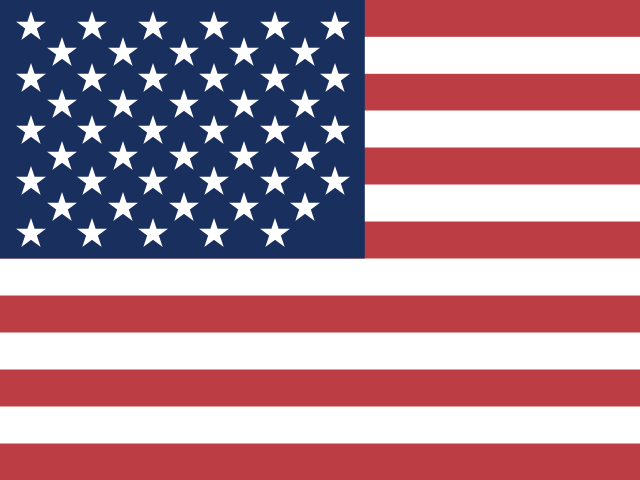
United States
North America

South Africa
Africa
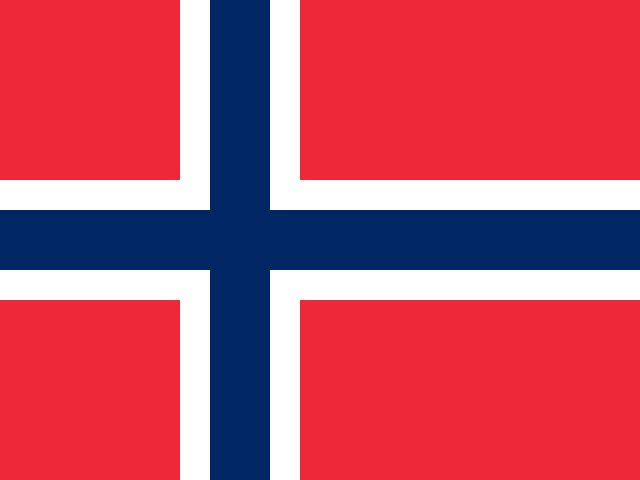
Norway
Europe
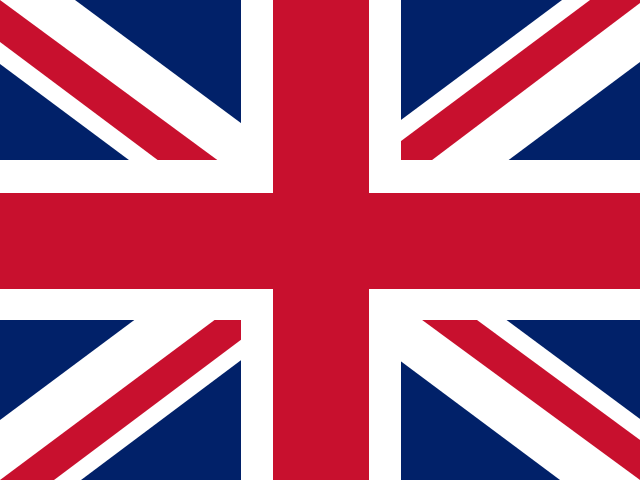
United Kingdom
Europe
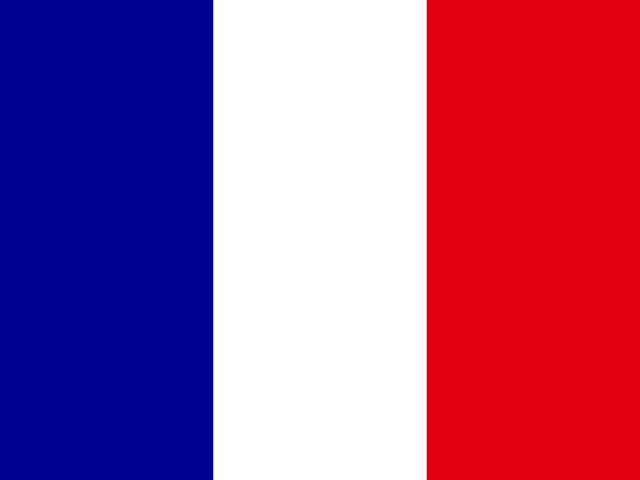
France
Europe
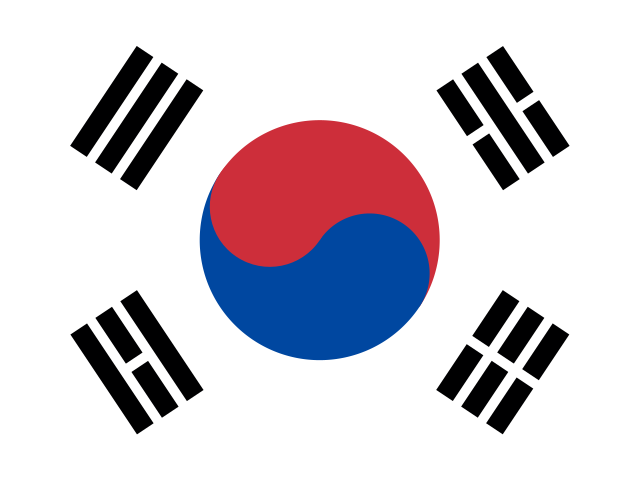
South Korea
Asia

Australia
Oceania

New Zealand
Oceania

Nepal
Asia

American Samoa
Oceania

Anguilla
North America

Antigua and Barbuda
North America
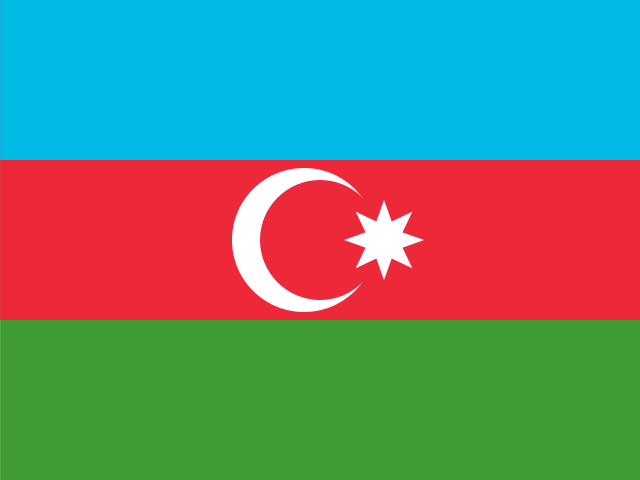
Azerbaijan
Asia

Belize
North America

Bermuda
North America

Bouvet Island
Africa

British Indian Ocean Territory
Africa

British Virgin Islands
North America
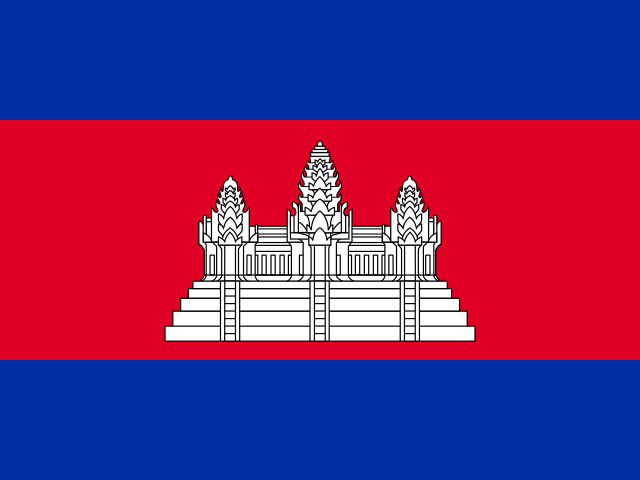
Cambodia
Asia

Cape Verde
Africa

Caribbean Netherlands
North America

Cayman Islands
North America

Central African Republic
Africa
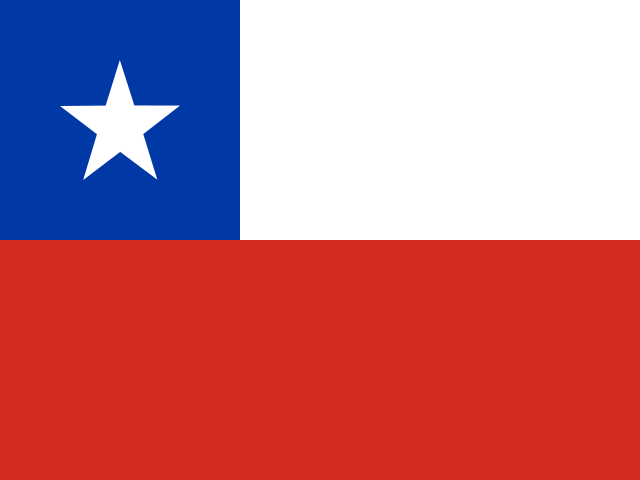
Chile
South America

Comoros
Africa

Cook Islands
Oceania

Costa Rica
North America
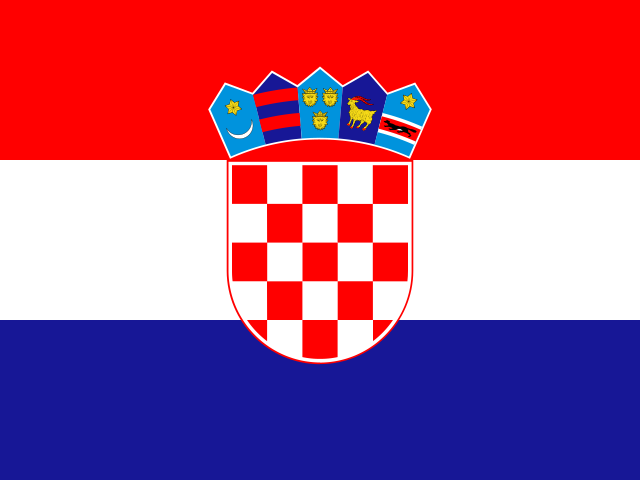
Croatia
Europe
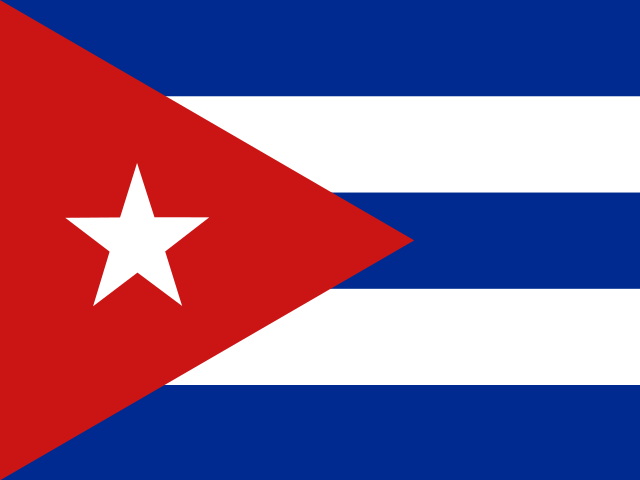
Cuba
North America
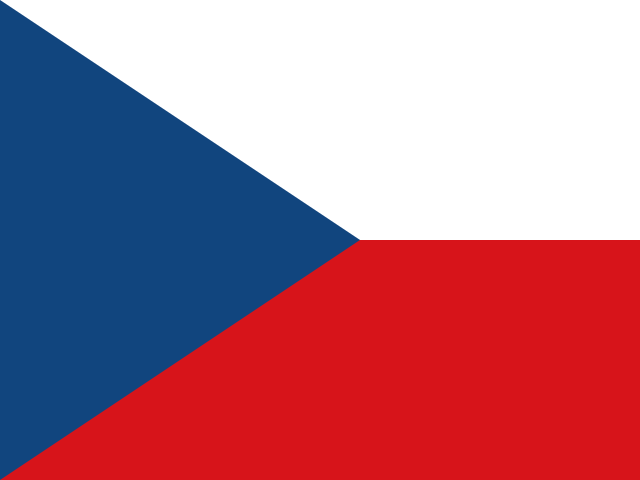
Czechia
Europe

Djibouti
Africa

Dominican Republic
North America

Equatorial Guinea
Africa

Eswatini
Africa

Falkland Islands
South America
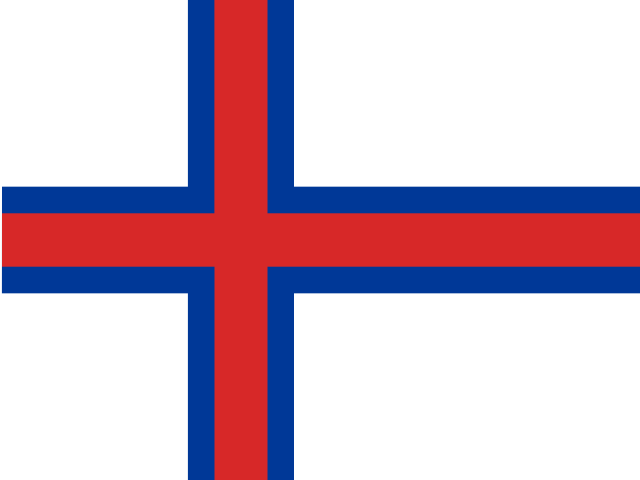
Faroe Islands
Europe

Fiji
Oceania

French Guiana
South America

French Polynesia
Oceania

French Southern and Antarctic Lands
Africa

Gambia
Africa

Guadeloupe
North America
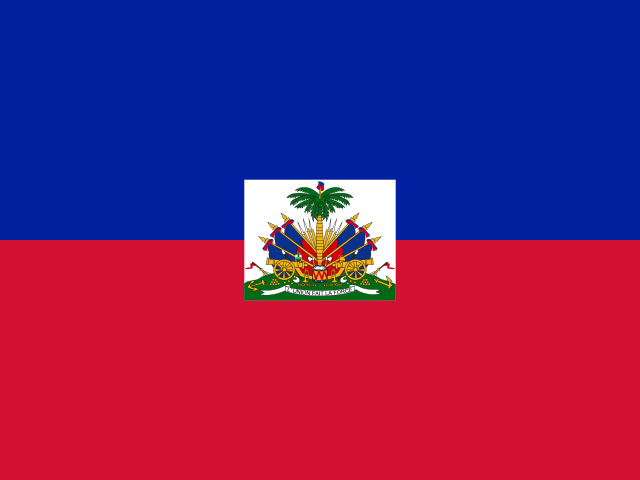
Haiti
North America

Heard Island and McDonald Islands
Oceania
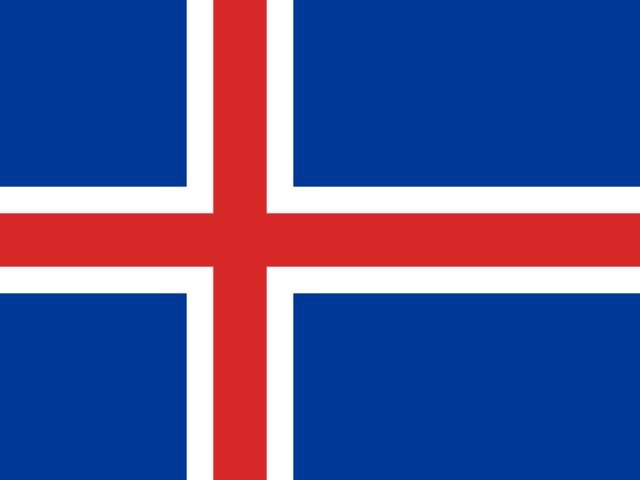
Iceland
Europe

Kiribati
Oceania
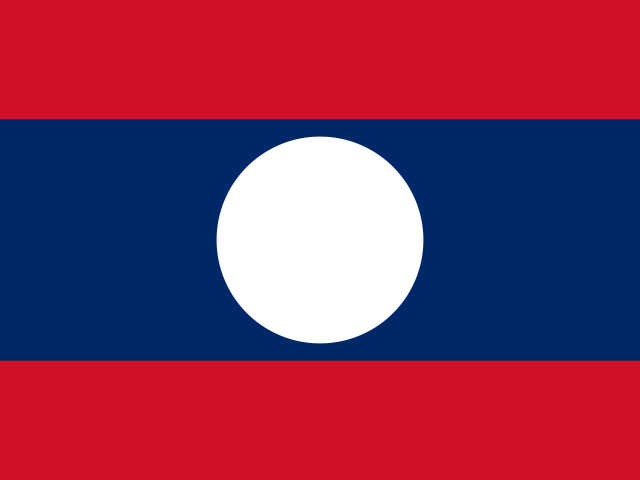
Laos
Asia

Liberia
Africa
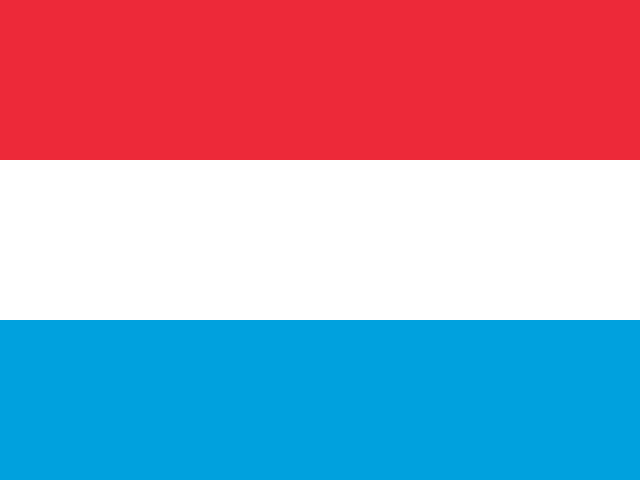
Luxembourg
Europe

Malaysia
Asia

Mayotte
Africa

Montserrat
North America
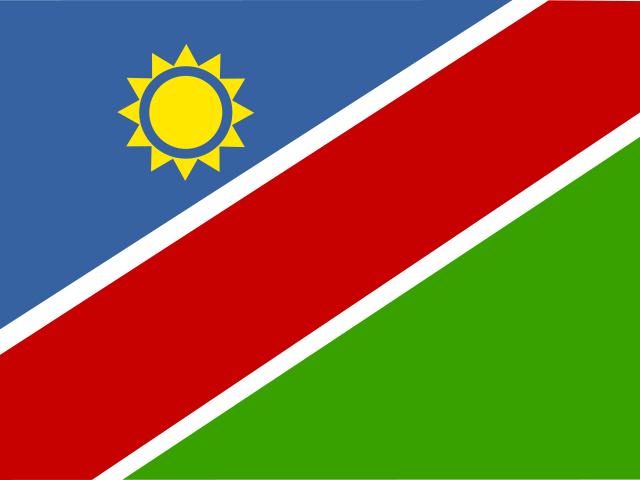
Namibia
Africa
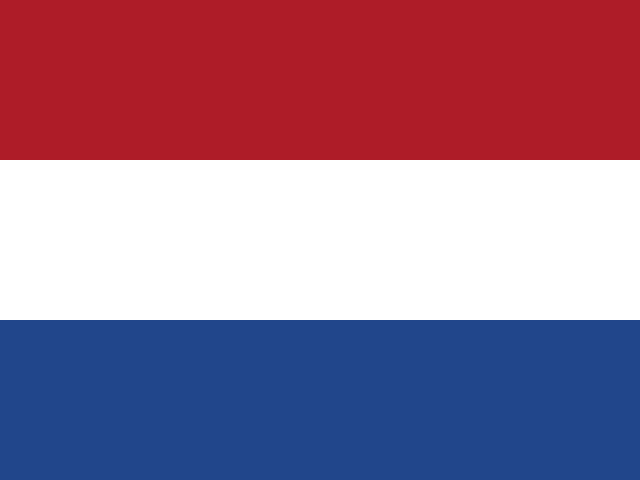
Netherlands
Europe

Niue
Oceania
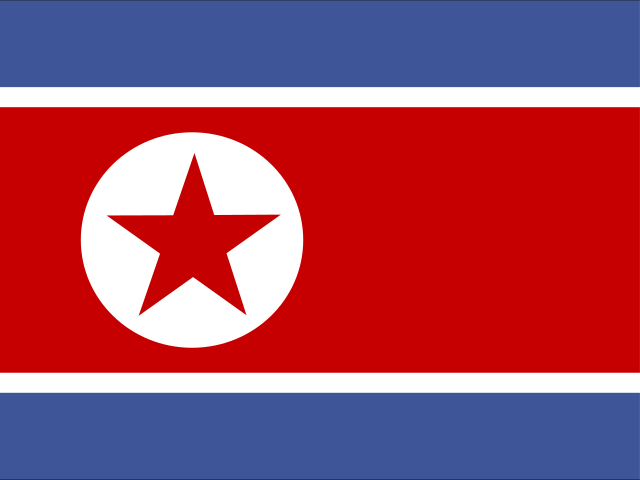
North Korea
Asia

Panama
North America

Paraguay
South America

Philippines
Asia

Pitcairn Islands
Oceania
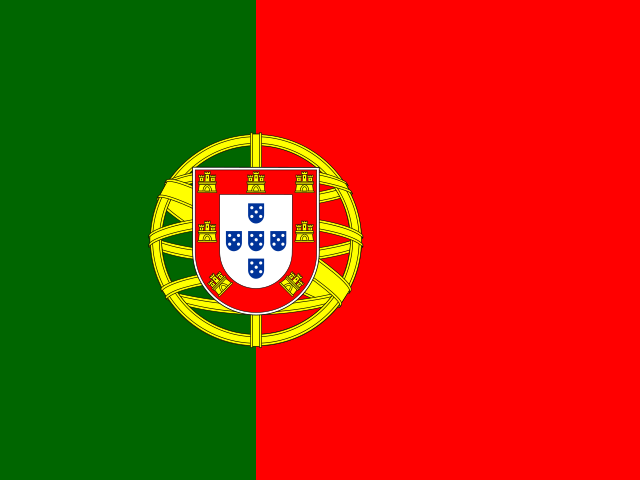
Portugal
Europe

Puerto Rico
North America
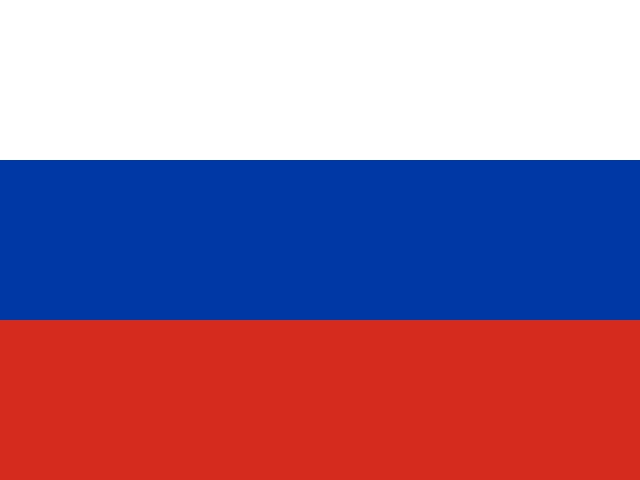
Russia
Europe

Réunion
Africa

Saint Barthélemy
North America

Saint Helena, Ascension and Tristan da Cunha
Africa

Saint Martin
North America

Saint Pierre and Miquelon
North America

Samoa
Oceania
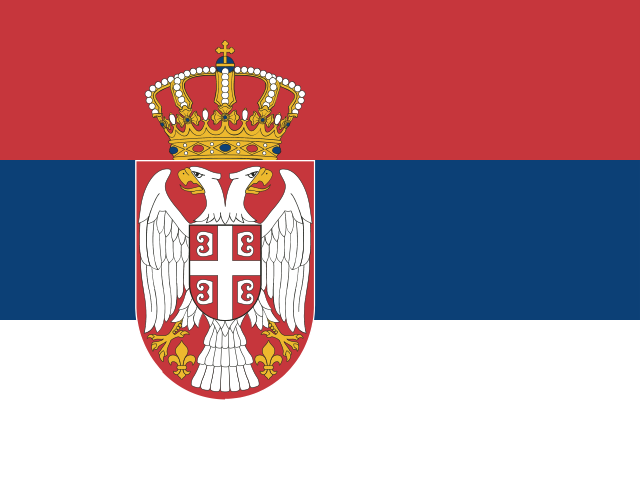
Serbia
Europe

Seychelles
Africa

Sint Maarten
North America
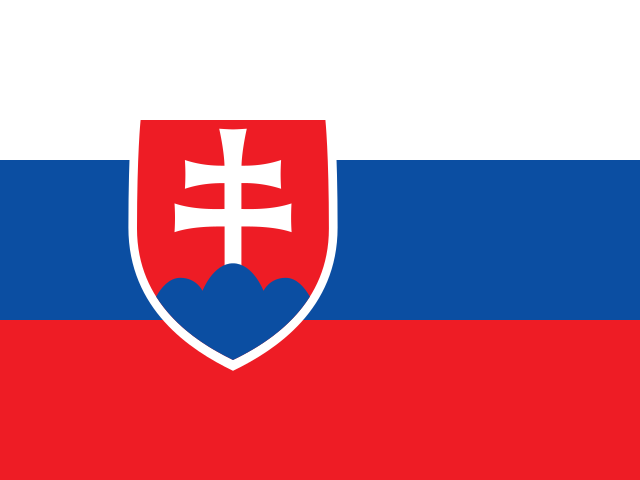
Slovakia
Europe
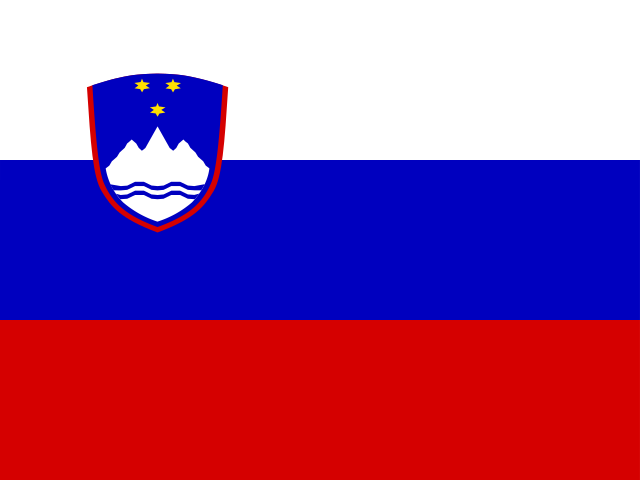
Slovenia
Europe

South Georgia
South America

South Sudan
Africa
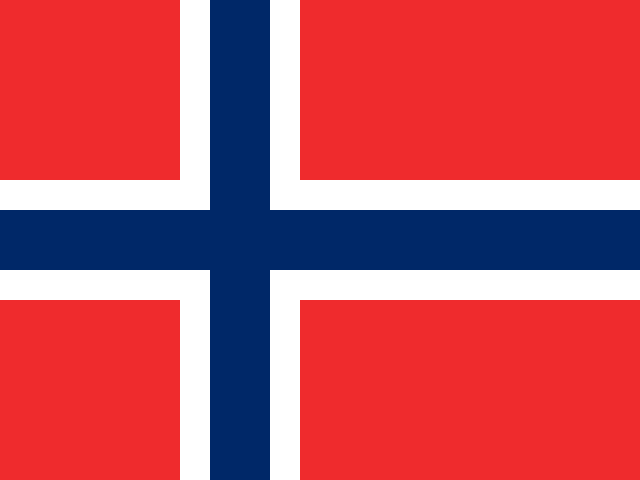
Svalbard and Jan Mayen
Europe

Taiwan
Asia
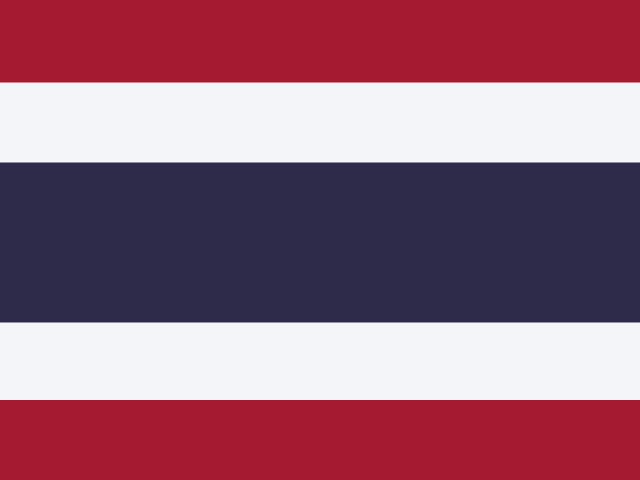
Thailand
Asia
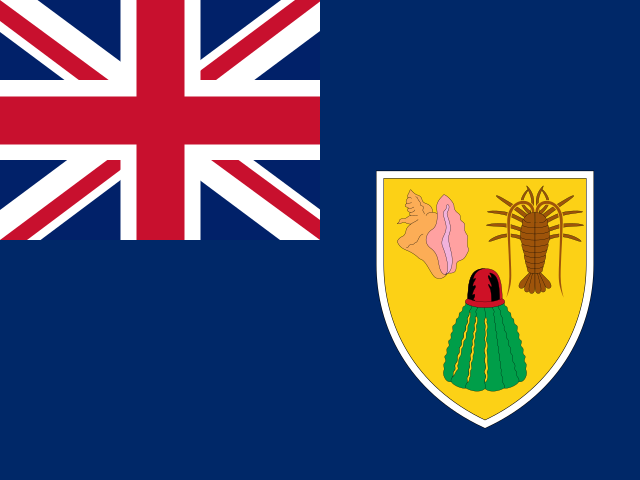
Turks and Caicos Islands
North America

Tuvalu
Oceania

United States Minor Outlying Islands
North America
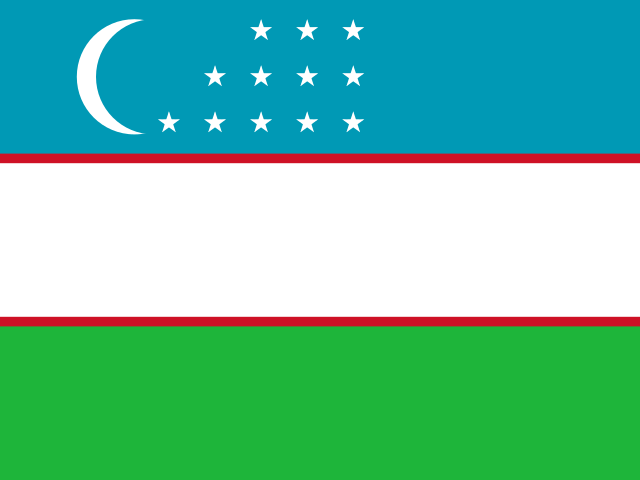
Uzbekistan
Asia

Venezuela
South America

Wallis and Futuna
Oceania
Where these 85 flags are in the world
Counting by continent is the quickest way to see whether a design tradition is regional or global. North America accounts for the largest share of this collection with 22 of the 85.
| Continent | Flags | Share |
|---|---|---|
| North America | 22 | 26% |
| Africa | 18 | 21% |
| Europe | 15 | 18% |
| Oceania | 13 | 15% |
| Asia | 11 | 13% |
| South America | 6 | 7% |
Why this palette is everywhere
Part of the answer is dye. Red, white and blue were among the most durable and affordable colours available to the workshops that made flags for ships, and a flag that had to survive months of salt air could not afford a pigment that faded. Part of it is imitation: the Dutch tricolour of the late sixteenth century and the French tricolour of 1794 were both flags of successful revolutions, and revolutions get copied. And part of it is empire — a long list of flags carry these colours because the Union Jack was once flown over them.
Three families, one palette
The first family is the tricolours: three equal bands, vertical after the French model or horizontal after the Dutch. The Netherlands, France, Russia, Thailand, Costa Rica and many others belong here, and the ordering of the bands is usually the only way to tell them apart at a glance.
The second is the Pan-Slavic group. When the Prague Slavic Congress of 1848 looked for shared colours, it took red, white and blue from the Russian flag, which is why Serbia, Slovakia, Slovenia, Croatia and the Czech Republic all draw on the same three colours in different arrangements.
The third is the Union Jack family: flags carrying the British flag in the canton, or derived from it. Australia, New Zealand, Fiji, Tuvalu and a long list of territories sit in this group, and it is the reason the palette reaches so far into the Pacific and the Caribbean.
How to actually narrow it down
Colour is the least discriminating clue a flag gives you. Pattern is better: stripes against a canton against a cross against a diagonal will usually split this list into a handful of candidates. A symbol is better still — a coat of arms, a star count, a specific animal. The filters on the main flag finder are built to combine, and combining two weak clues beats refining one.
Still not the flag you were thinking of?
This page is one fixed filter. The full flag finder lets you combine colours, symbols, patterns and continent at the same time, which narrows things down far faster than any single clue. You can also browse every country guide alphabetically, or spin for a random one and read its guide instead.